


PRODUCTS AND FLAVOURS OF OUR CUISINE
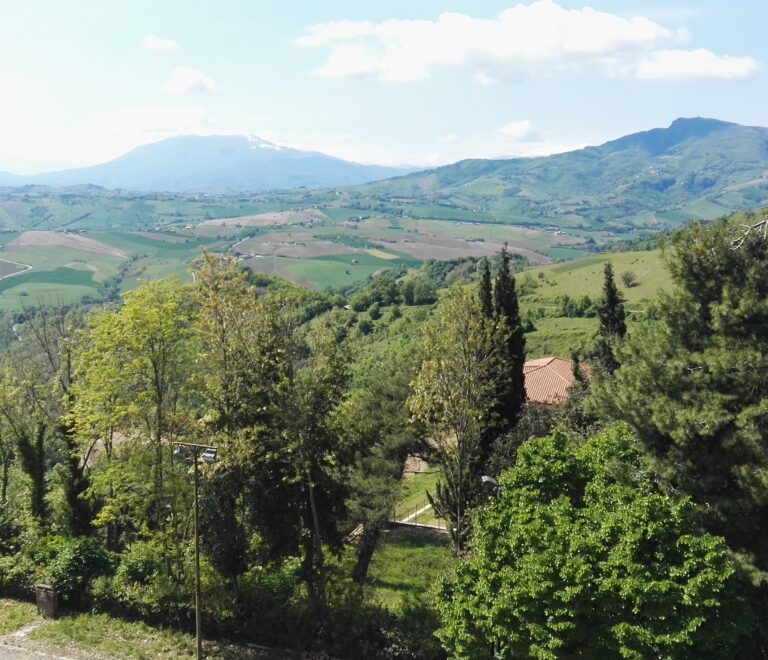
Notwithstanding the small geographic dimensions of the Piceno region, the great geographic differences of the territory have enabled the development of a wide-ranging cuisine which presents a great variety of flavours and uses both the products of the sea as well as those coming from the valleys.
The gastronomic tradition of the Piceno is deeply rooted in the rural culture and uses the typical products of this land, such as potatoes, chestnuts and olives. We have to go back to the Ancient Rome to find, instead, the origins of the sea cuisine, since at that time the Romans already used to come over here for the quality of the seafood.
The most famous culinary product of the Piceno region is the stuffed olive, universally known as the “oliva ascolana”, which is such only if made with a refined soft variation of olive, produced in a very reduced area of the Piceno region. From the olive cultivation on the hills we obtain an exquisite olive oil named Falerio Picenus.
Even the polenta has been for centuries a dish of the local rural culinary tradition. There are different methods of cooking it: the classic one, with tomato-sauce and pork-sausage, or the more elaborated version with dried salt code. Even if the polenta made of wheat does not come from noble origins, there are also poorer version of it. In the past, indeed, the inhabitants living in the most isolated zones on the mountains, incapable of buying the expensive wheat flour, obtained flour from chestnuts.
Many rural families of the region around Ascoli Piceno breed pigs, mostly for their own consume. A part of the pork-meat is consumed soon, preparing pork-chops, sanguinaccio (made with pork-blood) and sfrigoli (fried pork-fat), exquisite dishes that are to be found everywhere in the local restaurants. The range of delicatessen is also wide-ranging: lonze, salami, ciauscoli and liver sausages, most of these products usually hang on the walls of the local restaurants.
Another traditional food is meat of wether and goat, it can be grilled or stewed. And in the surrounding forests we find another typical food of the region: mushrooms and truffles; once ignored and now very glamour, truffles in particular are now economically very precious.
Finally, let’s talk about dessert: as for the majority of the traditional Italian sweet products, they are bound to holidays period; an example is the fristingo, a cake made of dried figs, nuts, almonds and candied fruit. Also the period of Easter and Carnival is full of traditional cakes and fried pastry, such as castagnole, cicerchiata, ravioli with chestnuts and ricotta. A traditional recipe for the ravioli is with stuffing made of bread crumb wet in hen broth, and finally sugar and cinnamon on top. And do not forget the delicious rose apples cultivated on the Sibillini Mountains.
|