





THE 'MARRONE DELLA LAGA' AND OF THE 'MONTI SIBILLINI'
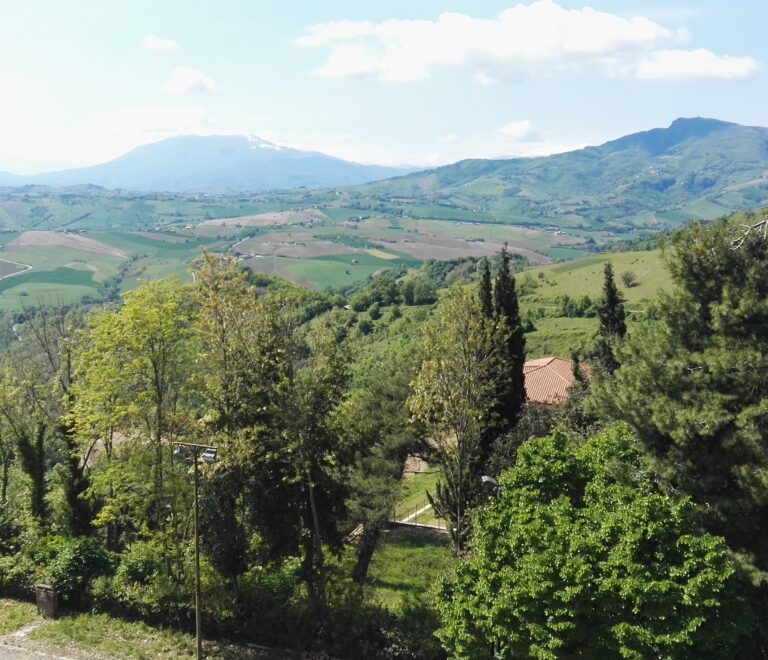
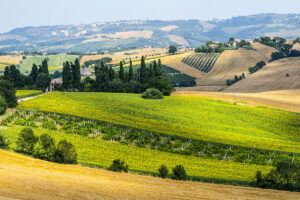
The rural landscape of Piceno is strongly characterized by the presence of the chestnut tree. Thanks to the presence of sandstone areas, which is the ideal substratum for the diffusion of this tree, it is possible that, in the hilly areas, wide secular chestnut tree woods thrive. This kind of tree is one of the cornerstones of the variegated rich landscape, modelled by the long time agricultural actions of the local population.
The chestnut tree has represented, in the past, an important and often vital means of subsistence for the people living on the highlands, as to say the Monti Sibillini and the Mountains of the Laga. No surprise that the chestnuts’ tree was considered “the bread's tree” and its substantial fruit was “the poor men Bread.”
Roasted or cooked as “casciole” (peeled and boiled in salty water with addition of laurel leaves or rosemary), the chestnuts often were, in the cold autumn days, the only dish in the frugal meals of local farmers.
The chestnut tree has represented, in the past, an important and often vital means of subsistence for the people living on the highlands, as to say the Monti Sibillini and the Mountains of the Laga. No surprise that the chestnuts’ tree was considered “the bread's tree” and its substantial fruit was “the poor men Bread.”
Roasted or cooked as “casciole” (peeled and boiled in salty water with addition of laurel leaves or rosemary), the chestnuts often were, in the cold autumn days, the only dish in the frugal meals of local farmers.
The depopulation of the mountain areas and the diffusion of serious phytopathies have made more and more difficult to bring forth the traditional cropping of the chestnut fruit. Despite this, the increasing demand by tourists who more and more search for places rich in beauty and in culture, and that know how to look for high quality gastronomic products, is leading the territory into a new phase of economical growth, that must be followed and supported in a vision of a sustainable development
From the idea to strengthen and to add value to the chestnut fruits, a Chestnut trees project is born, named in detail “Exploitation of the chestnuts fruits”. The Project involves a great part of the territory in the central Apennines and is activated through the various Local Action Groups (Gal’s or Lag’s) present in the territory.
The general purpose is to locally enhance local traditions, agricultural farms and the other economic operators belonging to a common cultural patrimony and agriculture economic value, in order to allow a development of the chestnuts growing as a strategic element for the vitality and the survival of the Apennines territories.
The project is particularly aimed to a chestnut growing pattern that improves the productive aspects toward quality of the product and offer, and that favours, also through organizational aspects, the income strengthening of agricultural enterprises, according to the modern concepts of multi-functionality and of integration with the other economic and cultural activities.
Within the project, many actions will be taken by the LAG’s jointly, whilst some projects will be performed by the various LAG’s singularly. Gal Piceno’s actions are aimed particularly to:
- Improve the quality and profitability in crops production;
- Strengthen the chestnuts marketing possibilities;
- Develop communication strategies to increase information about the product, in close connection with the territory;
- Activate a territorial and commercial promotion of products and environments connected to the chestnut tree;
- Stimulate the possibility to visit and ‘live’ chestnut forests by tourists.